September 10, 2026 Post by : Editorial Wood-Fired Techniques
Charred Cabbage with Smoked Paprika and Almond Cream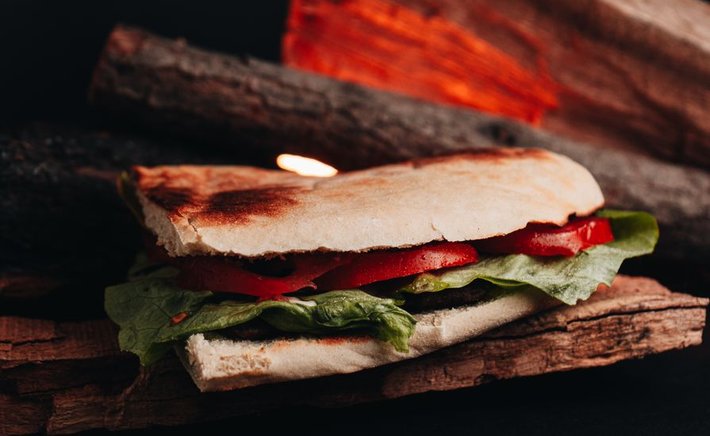
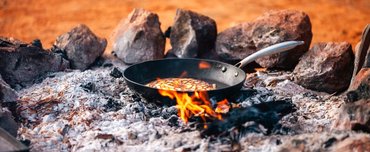
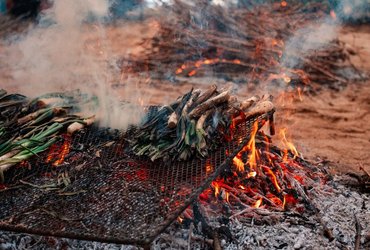
Every August, the tomatoes arrive all at once, and every August I panic. There are only so many salads a person can eat, and only so many neighbors who will accept a paper bag of them on the doorstep. This is when I fire up the oven and make sauce, not in a pot on the stove but directly over the coals, where the tomatoes blister and char and take on a smokiness that no stovetop version can match.
The technique is straightforward. Halve the tomatoes, toss them with olive oil, salt, and a few cloves of unpeeled garlic, and lay them cut-side down on a hot grate over the coals. Let them sit until the skins blacken and split, then turn them and cook another few minutes. The result is a tomato that has lost some of its water and gained a deep, sweet, smoky flavor.
From Blistered Tomatoes to Sauce
Once the tomatoes are charred, transfer them to a heavy pot. Squeeze the garlic cloves out of their skins and add them to the pot. Add a handful of fresh basil, a pinch of sugar if the tomatoes are acidic, and a splash of red wine. Simmer gently for thirty to forty minutes, stirring occasionally, until the sauce has thickened and the flavors have married. If you like a smoother sauce, run it through a food mill or blend it briefly with an immersion blender. I prefer it rustic, with visible chunks of tomato and bits of charred skin.
Taste and adjust the salt. A good tomato sauce needs more salt than you think. Add it a little at a time until the flavor sharpens and the sweetness comes forward. If the sauce tastes flat, a teaspoon of balsamic vinegar will usually fix it.
Freezing and Using
Let the sauce cool completely, then portion it into freezer bags or containers. It will keep for six months, though I have never managed to make it last that long. In the depths of February, when the tomatoes at the store are pale and mealy, a bag of this sauce thawed and warmed over pasta is a small miracle. It tastes like summer, and it tastes like fire, and it makes the whole year feel more bearable.
I also like to use it as a base for shakshuka, stirred into a pot of white beans, or spread on flatbread with a drizzle of olive oil and a few leaves of basil. It is versatile, forgiving, and deeply satisfying to make. The fire does the work. You just have to show up with the tomatoes.


Author

22 feb,2025
This incident opened my eyes to the value of Insurance in general, so I decided to examine my personal and business insurance.

Comment (3)
The payments are made directly from one person to another without passing through a central bank or clearing house.
22 feb,2025
ReplyCharred Cabbage with Smoked Paprika and Almond Cream
23 feb,2025
ReplyCooking with Ash: An Old Technique Worth Relearning
23 feb,2025
Reply