September 22, 2026 Post by : Editorial Wood-Fired Baking
Winter Greens Braised in Cider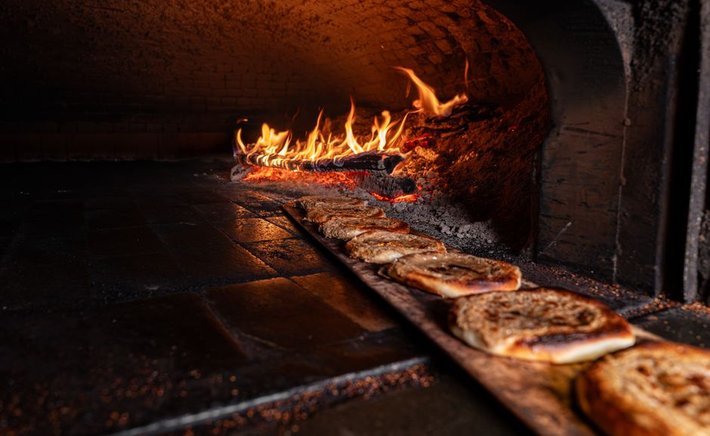
There is a moment in every wood-fired cooking session that I have come to think of as the gap: the oven is fully heated, the fire has been pushed to the side, and the floor is at that perfect temperature for baking. But you have not planned ahead, and you have no dough rising on the counter. This is where flatbread earns its keep.
Flatbread is the oldest bread in the world, and for good reason. It requires no starter, no long proof, and no particular skill. Mix flour, water, salt, and a little oil, knead it briefly, rest it for twenty minutes, and roll it thin. It will puff and blister on a hot oven floor in ninety seconds. I have made it dozens of times while waiting for a stew to finish, and it has never failed me.
The Dough, and How to Handle It
Two cups of all-purpose flour, three-quarters of a cup of warm water, a teaspoon of salt, and a tablespoon of olive oil. That is it. Mix until it comes together, knead for three or four minutes until smooth, and cover with a damp cloth. The gluten needs only a short rest to become workable. If you have bread flour, use it. If you have only whole wheat, use half and half, and add a little extra water.
When you are ready to bake, divide the dough into six pieces and roll each one on a lightly floured surface until it is about an eighth of an inch thick. Do not worry about perfect circles. The irregular edges are part of the charm, and they will crisp more beautifully than a clean-cut rim.
Baking Directly on the Bricks
Slide the first flatbread onto the oven floor with a floured peel. It will begin to bubble within seconds. Count to thirty, then flip it with tongs and count to twenty more. Pull it out and stack it under a clean towel while you bake the rest. The towel traps steam and keeps the breads soft and pliable rather than brittle.
If your oven is hotter than 600 degrees, work quickly and keep an eye on the bread. If it is cooler, around 450, give each side an extra fifteen seconds. The bread will tell you when it is done: it will be puffed, spotted with dark blisters, and firm to the touch.
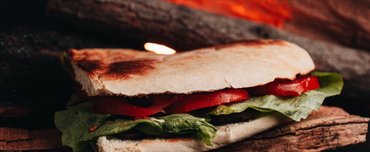
What you do with the flatbreads is up to you. I like them brushed with olive oil and sprinkled with za'atar, or spread with a mashed roasted garlic and a little sea salt. They are also excellent as a scoop for hummus, a base for a quick tomato and herb salad, or simply torn and eaten alongside whatever else comes out of the oven that night. Make more than you think you need. They disappear faster than you expect.
Author
22 feb,2025
This incident opened my eyes to the value of Insurance in general, so I decided to examine my personal and business insurance.
Comment (3)
The payments are made directly from one person to another without passing through a central bank or clearing house.
22 feb,2025
ReplyA Vegan Cassoulet for Cold Nights
23 feb,2025
ReplyFlatbread on the Oven Floor: A Ten-Minute Recipe
23 feb,2025
Reply